Beak & Feather virus breakthrough Parrot Essentials
Psittacine Beak and Feather Disease PetMD
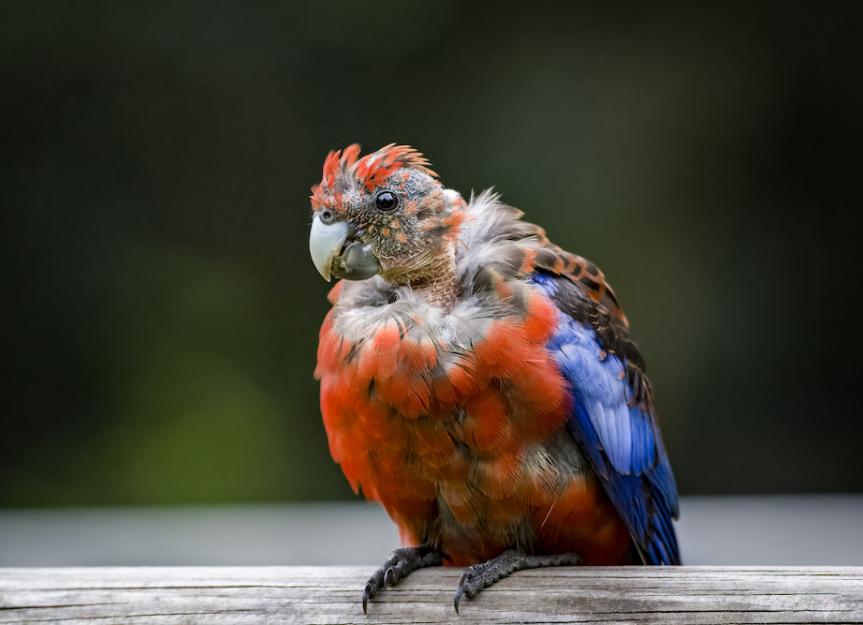
Beak and feather disease virus (BFDV) is the causative agent of psittacine beak and feather disease (PBFD), an endemic disease in Australia's wild parrot populations. Descriptions of parrots with feather loss consistent with the disease date back to the late 1800s [1]. The virus is believed to have originated in Australia sometime following.
12 Common Diseases of Parrots Causes, Symptoms & Treatment Parrot Advisory

Psittacine beak and feather disease (PBFD) is a common virus among parrots, including cockatoos. This disease can cause feather shedding, lesions, and sores on the bird.. Watch for the symptoms of the disease. Cockatoos with PBFD will lose their down feathers and will be constantly be moulting, or shedding.
Treating Beak and Feather Disease Birds at Bird Vet Melbourne YouTube

Beak and feather disease virus (BFDV) is a member of the family Circoviridae , which includes the smallest known autonomously replicating pathogenic animal viruses [13-15]. The first complete BFDV genome sequence confirmed its relationship to other circoviruses .
Psittacine beak and feather disease PBFD YouTube

Beak & Feather Disease (PBFD) is a virus that affects cockatoos and other parrots such as lorikeets. General signs of PBFD are: • An overgrown beak with a glossy black shine • Missing feathers / baldness Cockatoos can look normal in the early stages of the disease, which makes it difficult tro detect in wild populations.
PPT Important Avian Diseases PowerPoint Presentation, free download ID107198
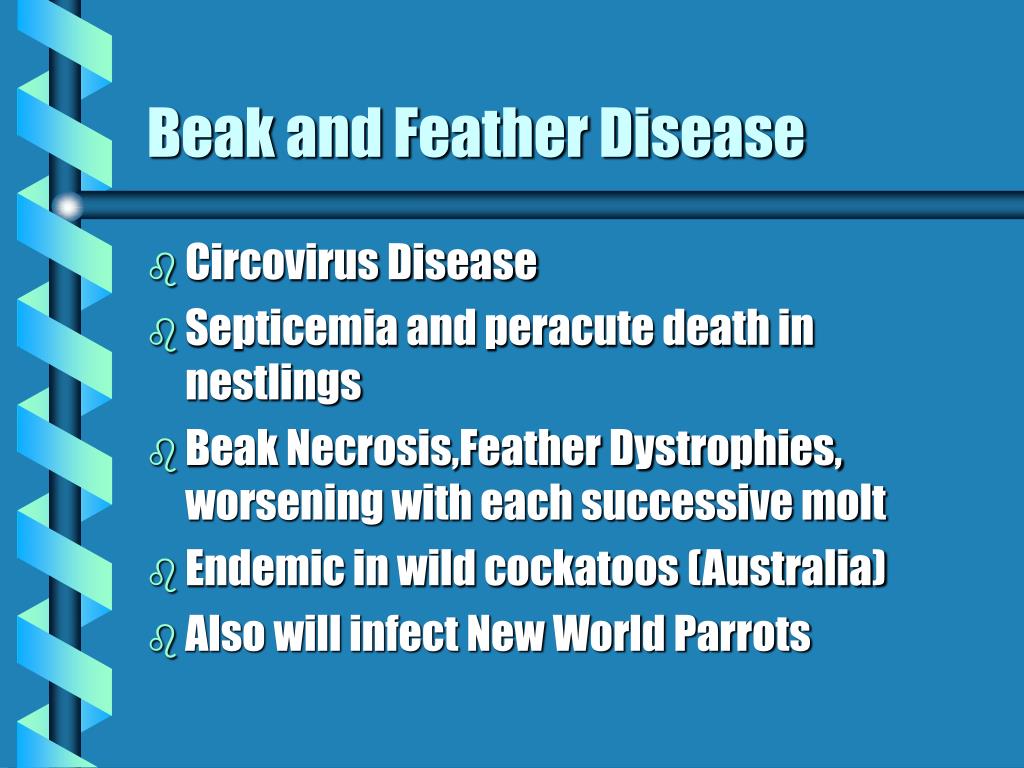
As mentioned above and implied by the name, PBFD typically affects the feathers of infected birds; over time the beak and nails may also become affected. These classic symptoms are often first seen in African grey parrots and cockatoos between 6 months and 3 years of age. Birds may first lose their powder down (the white, fine powder produced.
"Feather and Beak Disease." by shortshooterAl Redbubble
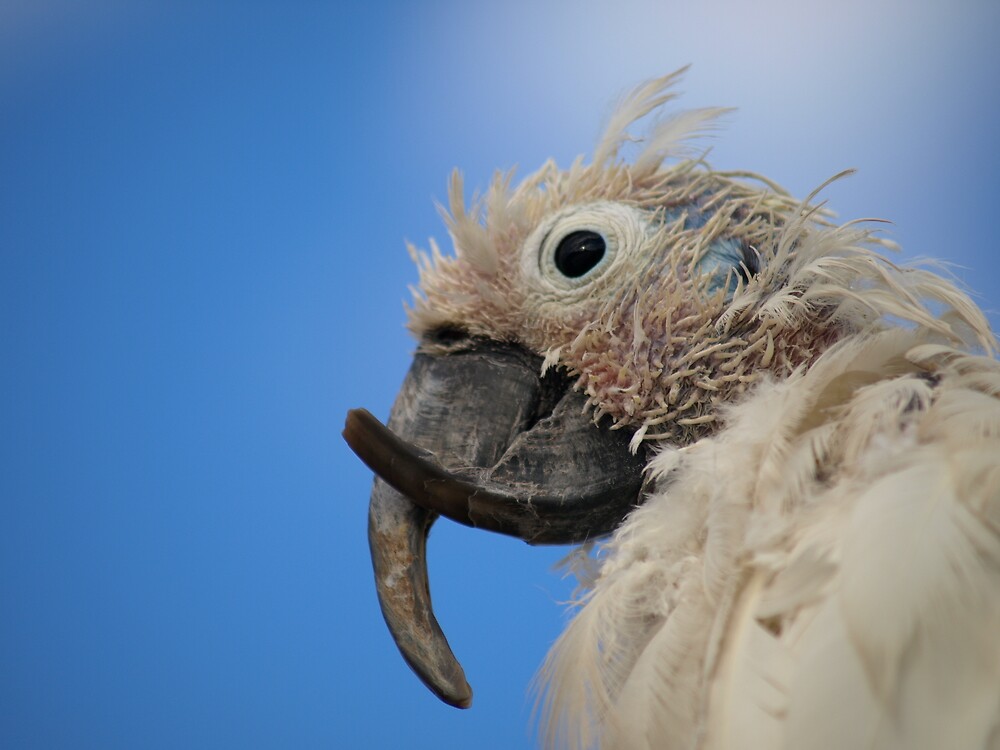
The psittacine circovirus occurs naturally in the wild and can persist for many years in tree hollows and other nest sites. The virus multiplies in the liver and can be transmitted orally or in faeces or feathers. It is highly contagious. The virus attacks feather and beak cells, causing abnormalities. It also attacks the immune system.
Beak and feather disease outbreak killing our lorikeets Daily Telegraph
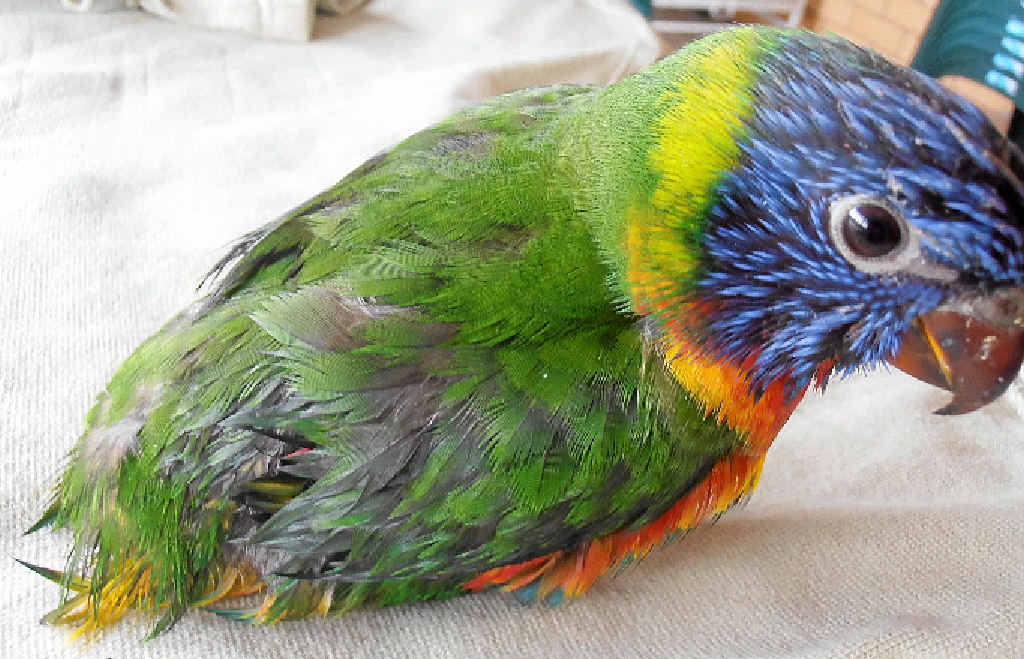
Psittacine beak and feather disease is not a new disease appertaining only to captive bred parrots as some may think, it was actually first reported in 1907 seen in a wild flock of birds in Australia. PBFD is caused by a circovirus affecting the immune system, it does occur in other avian species but mainly and most severely in psittacines.
Beak and Feather Disease Veterinarians Gisborne Gisborne Veterinary Clinic
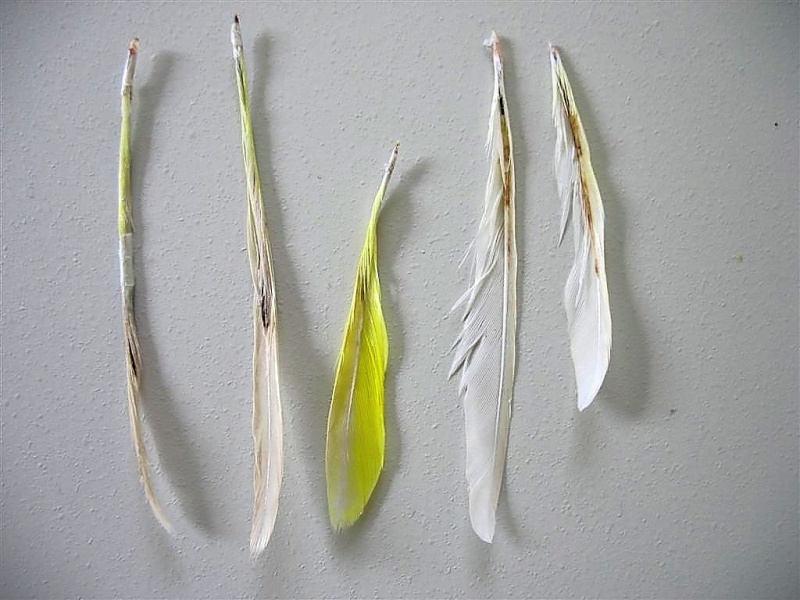
Psittacine Beak and Feather Disease (PBFD) is a highly contagious viral illness that lories and lorikeets can catch through contact with the feathers, feather dust, nesting material, and feces of infected birds.. If your bird exhibits one or more visible symptoms, take them to the vet as soon as possible. The vet will test their blood.
What Is PBFD (Psittacine Beak and Feather Disease)? Howcast
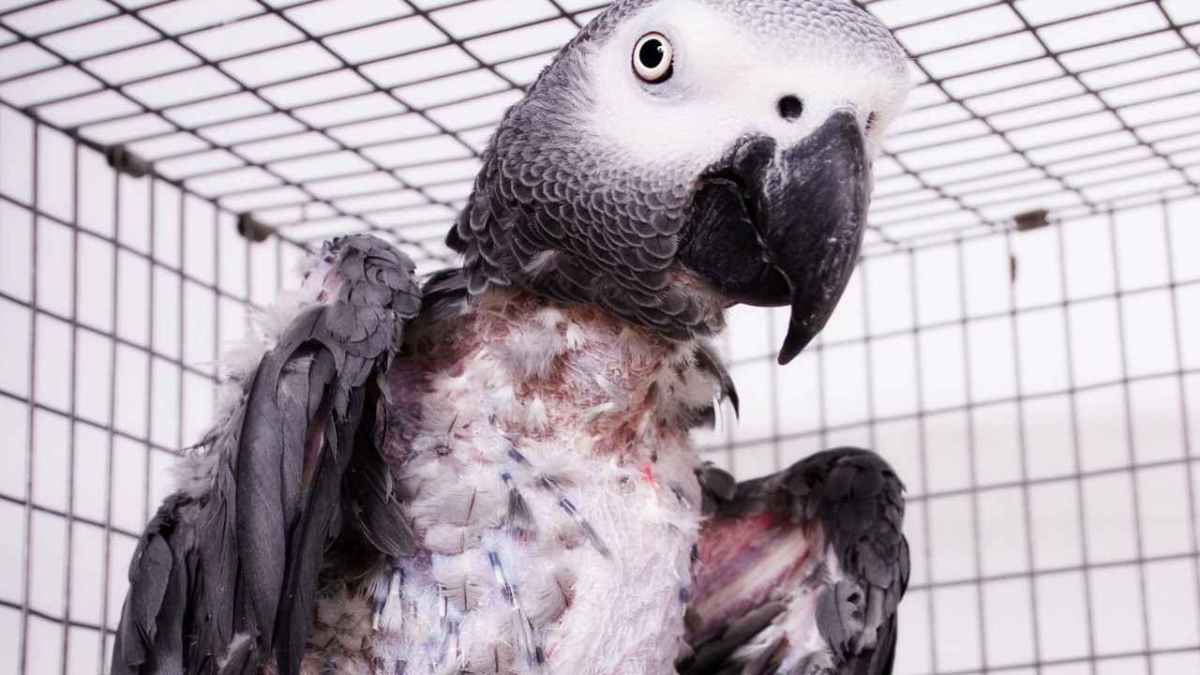
Psittacine beak and feather disease is caused by a virus. The name "beak and feather disease" is somewhat misleading, because the typical signs do not include beak abnormalities and are less likely to have the severe feather abnormalities that were seen in cockatoos when the disease was first documented. This serious infection has been.
Psittacine Beak and Feather Disease An Overview Beak, Disease, Feather

Symptoms of Beak and Feather Disease in Birds. Symptoms of PBFD can be seen in the following: Feathers: short, sharp, fragile, malformed feathers which bleed and break causing significant loss of powder down, and contour feathers with loss of pigment in a symmetrical pattern. Skin: scarring, scaly, thickened, moist skin, skin infections, loss of temperature control
CIE Spotlight Beak and feather disease virus and Chlamydiales infections in wild Australian

Psittacine beak and feather disease (PBFD) is a common and highly-infectious viral disease found in wild and captive birds. While it mostly affects birds in the parrot family (including cockatoos and lorikeets), different strains of the virus have been reported in other species of birds. Also known as psittacine circoviral disease (PCD) or.
Beak and Feather Disease Adelaide Koala and Wildlife Centre
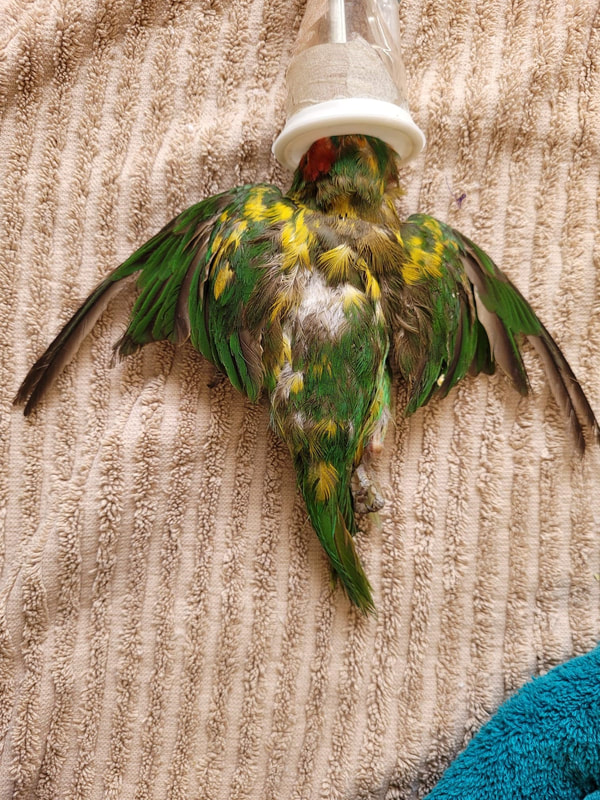
Psittacine Beak and Feather Disease (PBFD) is a contagious, fatal viral disease that affects the beak, feathers, and immune system of birds belonging to the Psittacidae family. It was first recognized in 1975 by veterinarians in Australia, where the disease affects wild birds. Although birds showing signs of disease usually die, it is common.
Beak And Feather Disease Wildlife Information WIRES
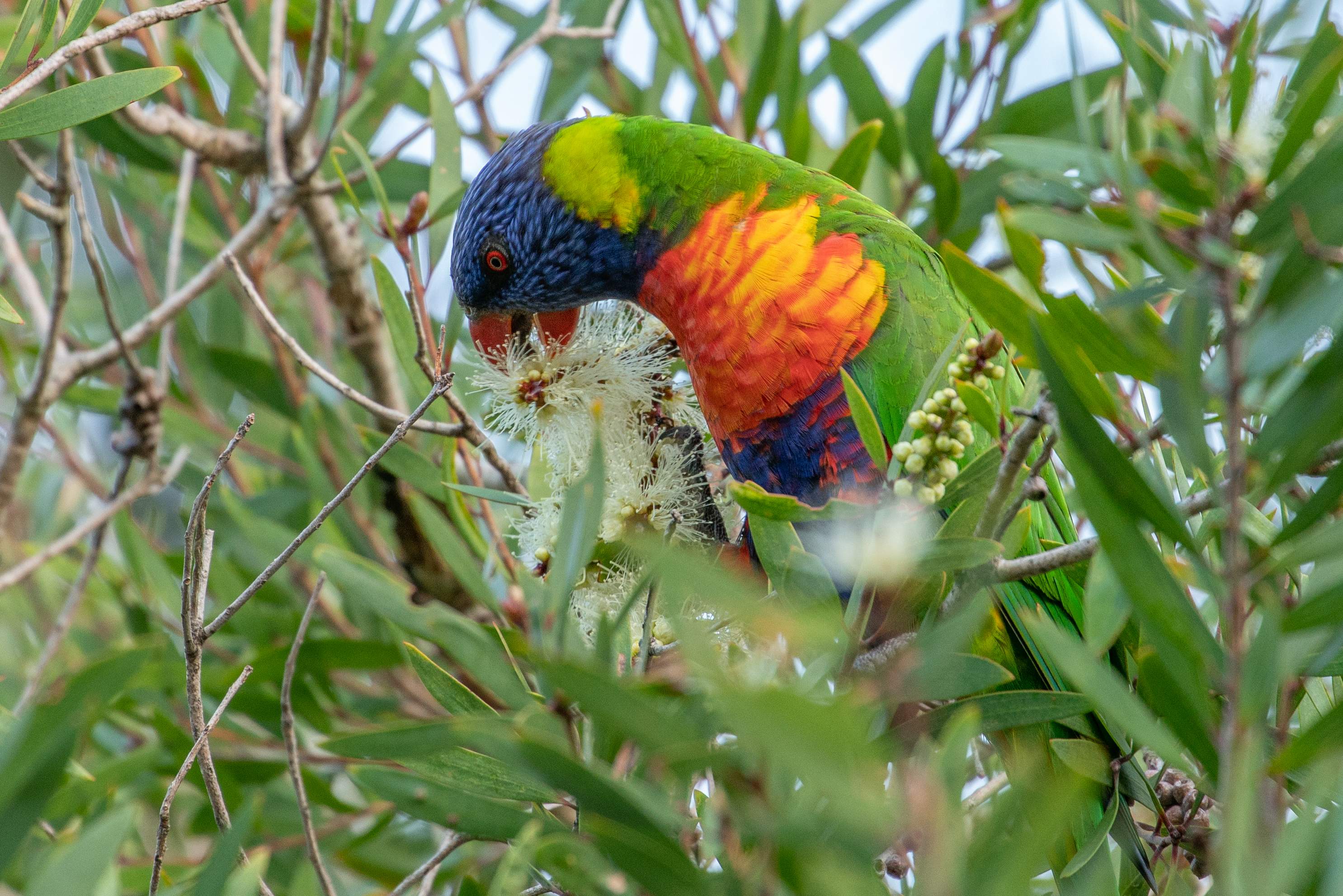
PBFD feathers of a budgerigar PBFD affected red-rumped parrot. Psittacine beak and feather disease (PBFD) is a viral disease affecting all Old World and New World parrots.The causative virus—beak and feather disease virus (BFDV)—belongs to the taxonomic genus Circovirus, family Circoviridae.It attacks the feather follicles and the beak and claw matrices of the bird, causing progressive.
Beak and Feather Disease Adelaide Koala and Wildlife Centre
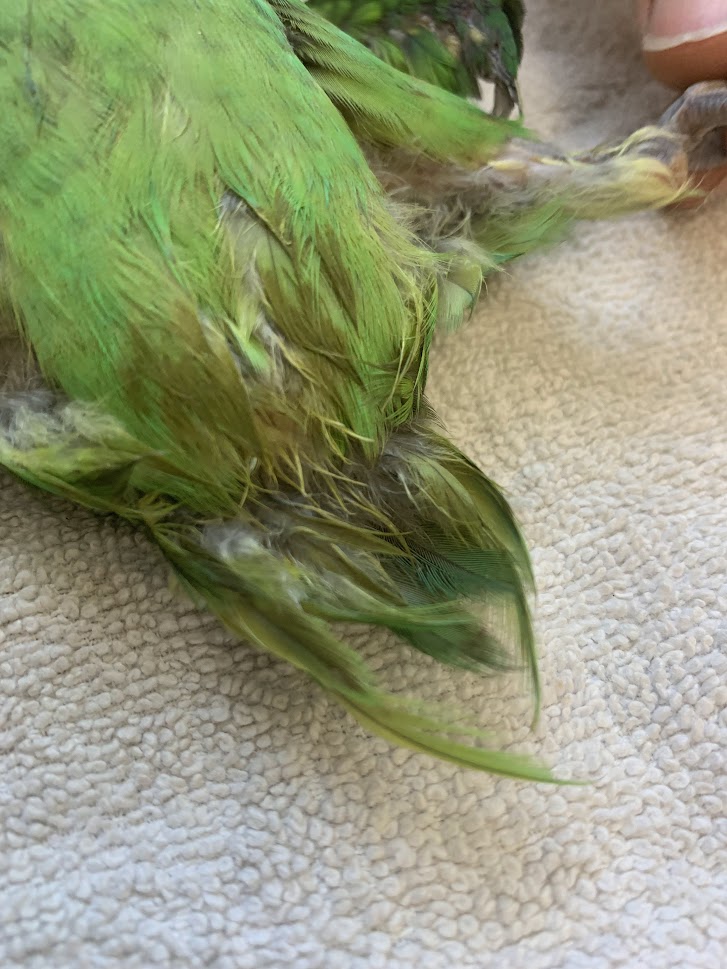
psittacine beak and feather disease, debilitating disease of birds cause by a circovirus that infects wild and domestic psittaciforms such as macaws, parrots, cockatoos, and parakeets; cockatoos are especially susceptible. The causative agent is one of the smallest known pathogenic viruses. The name of the disease arises from the beak malformations (rare) and feather abnormalities and loss.
Psittacine Beak and Feather Disease Indian Ring Neck Parakeet YouTube

Psittacine Beak and Feather Disease or PBFD is caused by a circovirus which infects and kills the cells of the feather and beak. The virus also impairs the immune system.. Chicks as young as 2 months of age or as old as 3 years of age are seen with classic symptoms of feather dystrophy. "If the chick develops clinical lesions while most of.
Psittacine Beak and Feather Disease (PBFD) in parakeet
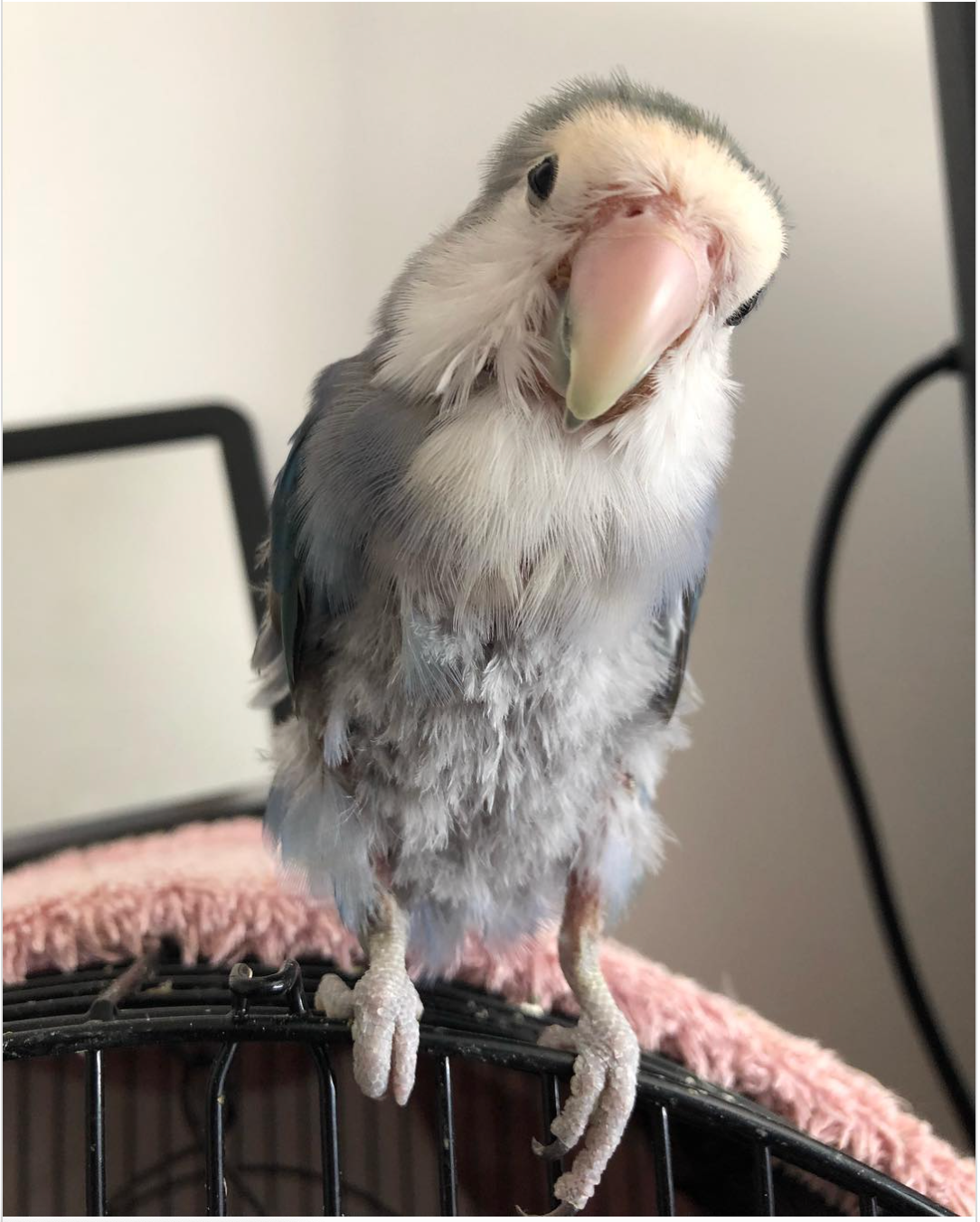
Psittacine Beak and Feather Disease is caused by a virus (Circovirus) that primarily affects fast growing cells in the body of infected birds. This typically includes cells in feather follicles, bone marrow and internal organs. In parrots, symptoms are most commonly identified by changes to the appearance and quality of the beak and feathers.