Corn Oil vs Canola Oil Key Differences & Which is Healthier
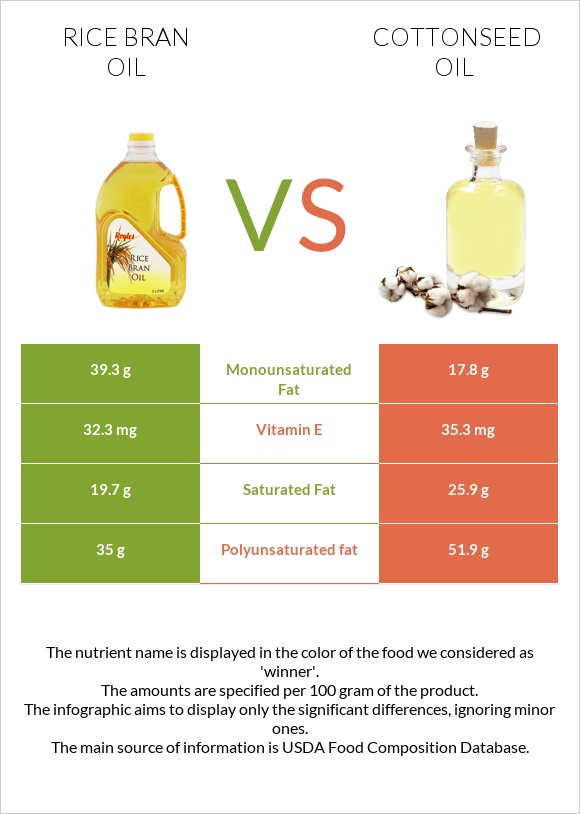
Rice bran oil vs. Cottonseed oil — InDepth Nutrition Comparison
Thanks to its unsaturated fat content, rice bran oil may lower cholesterol levels, helping to reduce the risk for heart disease and stroke, says Ryan. In fact, a 2022 review of eight studies 9 found that consuming rice bran oil can "significantly decrease" total blood cholesterol, LDL cholesterol, and triglyceride levels.
Rice Bran Oil — Botanical Formulations
.jpg?format=1500w)
It contains a good amount of unsaturated fats as well as an exceptional amount of vitamin E compared to canola oil. Its flavor is mostly neutral, although it contains a mild nuttiness provided by the rice bran, and it has a slightly higher smoke point (450 degrees Fahrenheit) than canola oil. Since it makes use of a staple crop common in Asia.
Rice Bran Oil Vs Safflower Oil, Which one is better? 2022

Help us by suggesting a value. (Rice Bran Oil) The glycemic index (GI) is used to measure how much foods affect blood sugar levels. Foods can be low, medium, or high-glycemic foods and are ranked on a scale of 0-100. The lower the GI of a specific food, the less it should affect blood sugar levels. protein per 100g.
AMAZING BENEFITS OF RICE BRAN OIL YouTube

The higher the smoke point, the less likely the oil is to burn. To compare rice bran oil to canola oil, we placed 2 tablespoons of canola in a cold skillet and set it over high heat. After 3 minutes and 30 seconds, the oil began to smoke, and the pan registered 456 degrees on an infrared thermometer. (Peanut oil also has a smoke point of about.
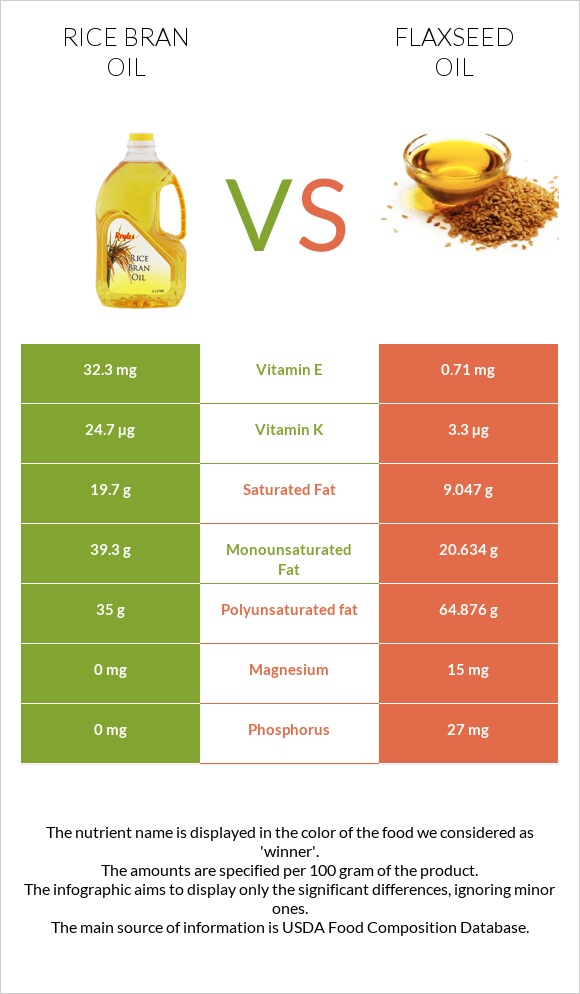
Rice bran oil vs. Flaxseed oil — InDepth Nutrition Comparison
Corn. Olive. Peanut. Safflower. Soybean. Sunflower. Vegetable. Blends or combinations of these oils, often labeled "vegetable oil," and cooking sprays made from these oils are also good choices. Some specialty oils, including avocado, grapeseed, rice bran and sesame, can be healthy choices but may cost a bit more or be harder to find.
Rice Bran Oil vs. Soya Bean Oil Which is Better AB Udyog Pvt. Ltd.

Rice bran oil and canola oil both have similar calorie and fat content. However, rice bran oil contains higher levels of antioxidants and vitamin E compared to canola oil, making it a healthier option. On the other hand, canola oil is low in saturated fats and high in omega-3 fatty acids, making it beneficial for heart health..
Rice Bran Oil
Plant-based oils, such as canola, grapeseed, olive and rice bran, mostly contain mono- and polyunsaturated fats and are lower in saturated fat. Coconut oil (about 90% saturated fat) and palm oil (about 50%) are exceptions. The latter is often used in takeaways and commercially baked goods.
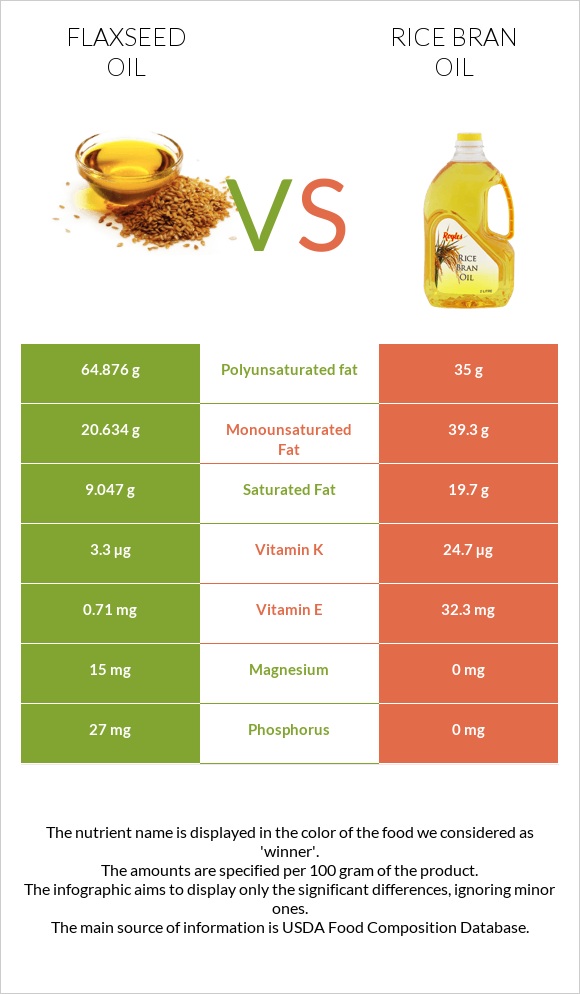
Flaxseed oil vs. Rice bran oil — InDepth Nutrition Comparison
Rice bran oil is higher in Vitamin E , and Polyunsaturated fat, however, Canola oil is richer in Vitamin K, and Monounsaturated Fat. Daily need coverage for Vitamin E from Rice bran oil is 99% higher. Rice bran oil contains 3 times more Saturated Fat than Canola oil. While Rice bran oil contains 19.7g of Saturated Fat, Canola oil contains only.
7 Rice Bran Oil Benefits Which Makes It Superior Than Other Cooking Oils

Olive, canola and rice bran oils are all good choices. Avoid overheating oil when cooking. When an oil is over-heated it produces unwanted chemicals. An oil's smoke point is the point at which the oil starts burning and smoking, which signals that damage to the oil has started. Avoid reusing heated oils.
Get Started Today with Cold Pressed Rice Bran Oil Edible Oil Production! YouTube

Both rice bran oil and canola oil are healthy options with their own unique nutritional benefits. Rice bran oil is high in antioxidants and vitamin E which promote heart health and reduce inflammation in the body. Canola oil, on the other hand, is lower in saturated fats and high in monounsaturated fats which are beneficial to heart health. Ultimately, the choice between the two oils comes.
Rice Bran Oil 8 Health Benefits, Uses, And Side Effects
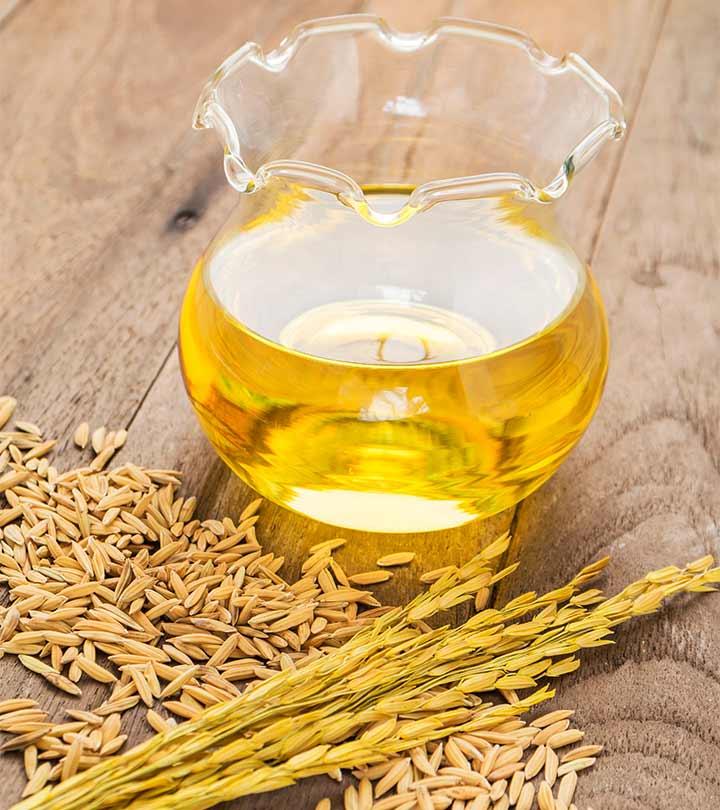
Carbohydrates: 0 grams. Fiber: 0 grams. Sugar: 0 grams. Rice bran oil is a good source of: Vitamin E. Vitamin K. Rice bran oil is also an excellent source of poly- and mono-unsaturated fats (the.
Corn Oil vs Canola Oil Key Differences & Which is Healthier
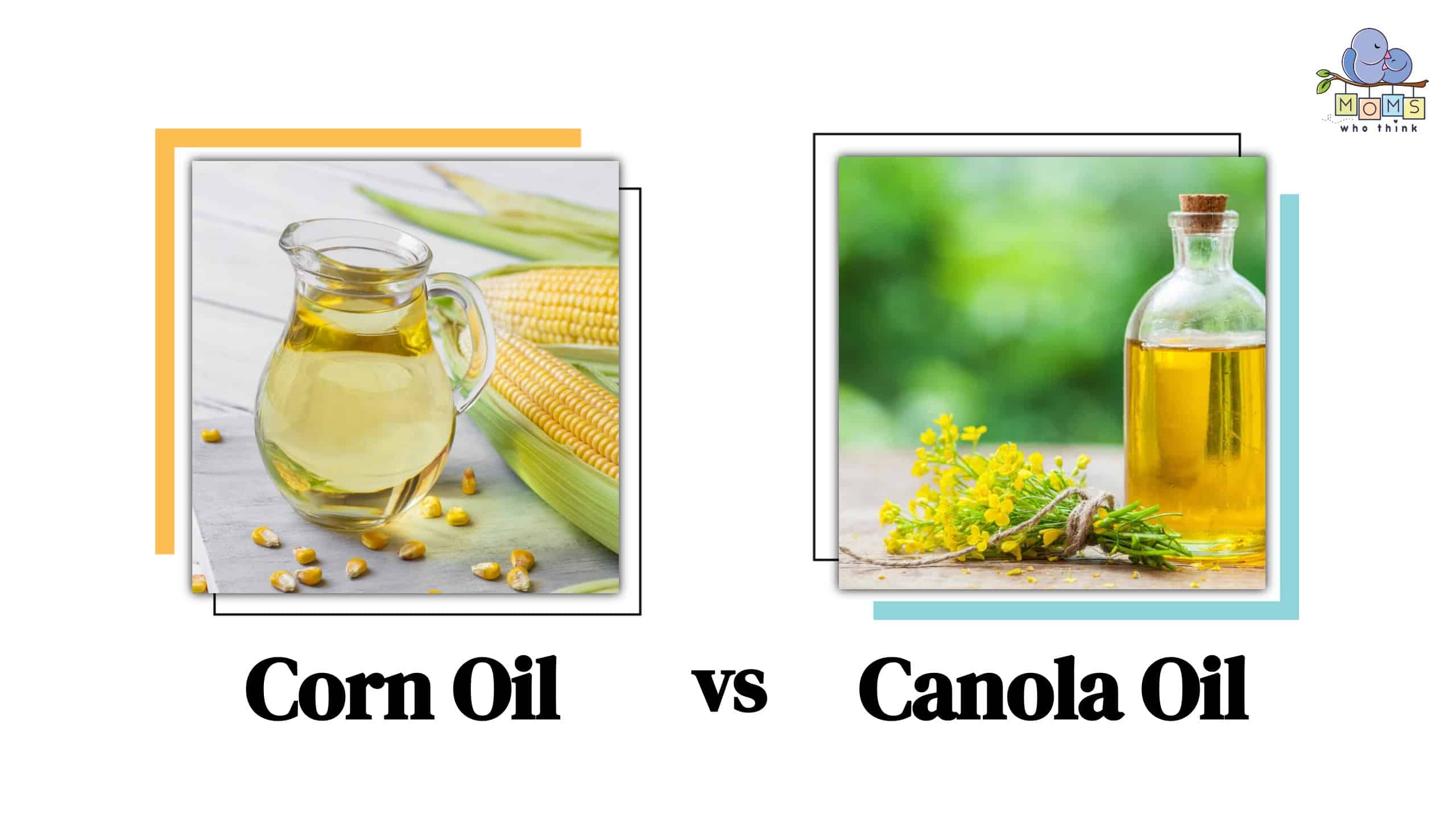
Polyunsaturated Fats: Rice Bran Oil is higher in omega-6 fatty acids, while Canola Oil has more omega-3 fatty acids. Monounsaturated Fats: Canola Oil has a higher amount of monounsaturated fats compared to Rice Bran Oil. Saturated Fats: Canola Oil contains less saturated fat than Rice Bran Oil.
Rice Bran Oil Nutrition Facts Calories, Carbs, and Health Benefits
/rice-bran-oil_annotated-6402dc871b86403c97690dd7d46fc03b.jpg)
For each tablespoon of olive or canola oil you're getting about 120 calories per tablespoon, so calories can add up quickly.. rice bran, safflower, soybean, and sunflower oils. Oils that have a low smoke point can lose flavor and structure quickly at high heat, so they're better for drizzling on food or using in a salad dressing. These.
Best Homemade Rice Bran Oil Substitute 2023 AtOnce
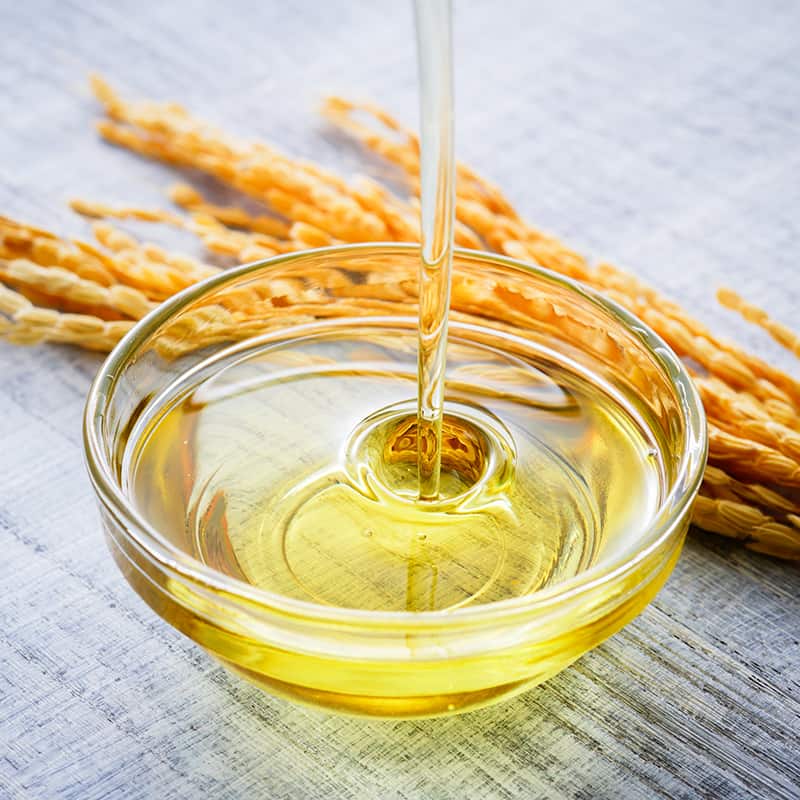
Rice bran oil is extracted from the germ of rice grains.It's high in vitamin E, monounsaturated and polyunsaturated fats, but also has a relatively high saturated fat content compared to other plant-based oils. It has a high smoke point and is commonly used in stir-fried dishes. Palm oil is best avoided as it is almost 50% saturated fat. It.
14 Amazing Rice Bran Oil Benefits for Skin, Hair and Health
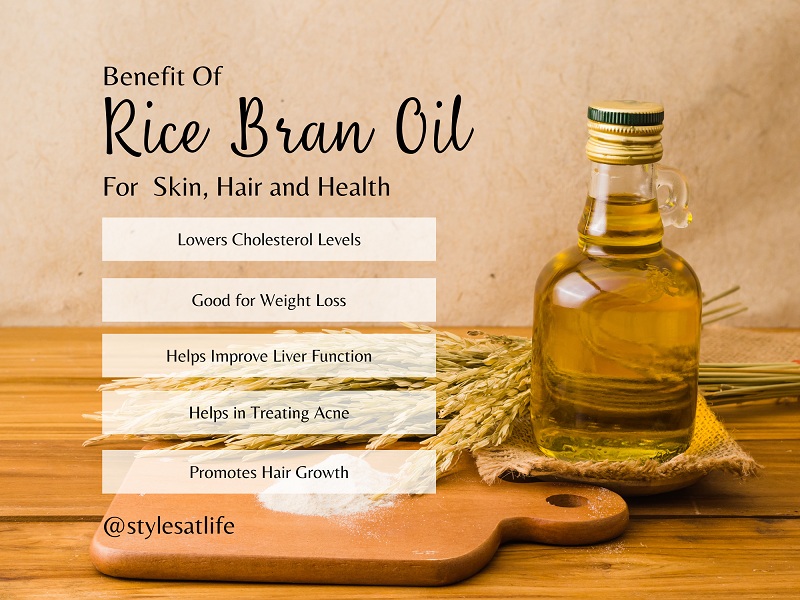
Daily need coverage for Vitamin E from Rice bran oil is 99% higher. Rice bran oil contains 3 times more Saturated Fat than Canola oil. While Rice bran oil contains 19.7g of Saturated Fat, Canola oil contains only 7.365g. Oil, rice bran and Oil, canola are the varieties used in this article.
PPT Benefits of Rice Bran Oil PowerPoint Presentation, free download ID7923893
Tweet. Key difference: According to their names, the key difference between the two oils is based on their plant source wherein 'rice brain oil' is obtained from the germ and rice husks of the rice grains, and 'canola oil' is obtained from rapeseeds of the canola plant. Oils are considered as an essential part of cooking.