CYCAS REVOLUTA, Japanese sago palm
Cycas revoluta
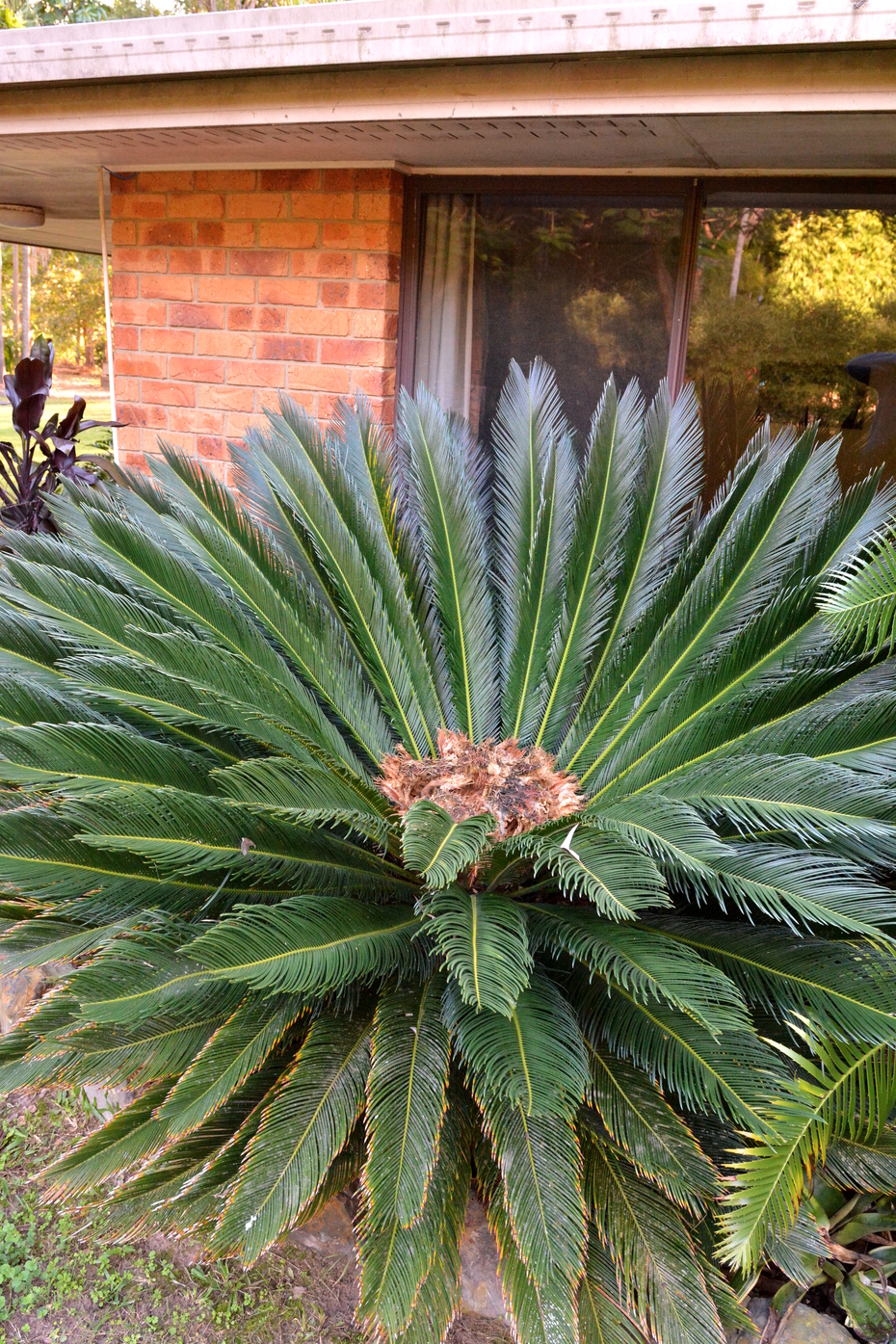
The Cycas revoluta (Sago Palm) prefers a dry growing environment, so you should use well-draining soil to keep your Cycas revoluta (Sago Palm) happy! Temperature for the Cycas revoluta (Sago Palm) The Cycas revoluta (Sago Palm) prefers a spot that consistently stays between 16 - 24°C (60 - 75°F).
Cycas revoluta Japanese Sago Palm
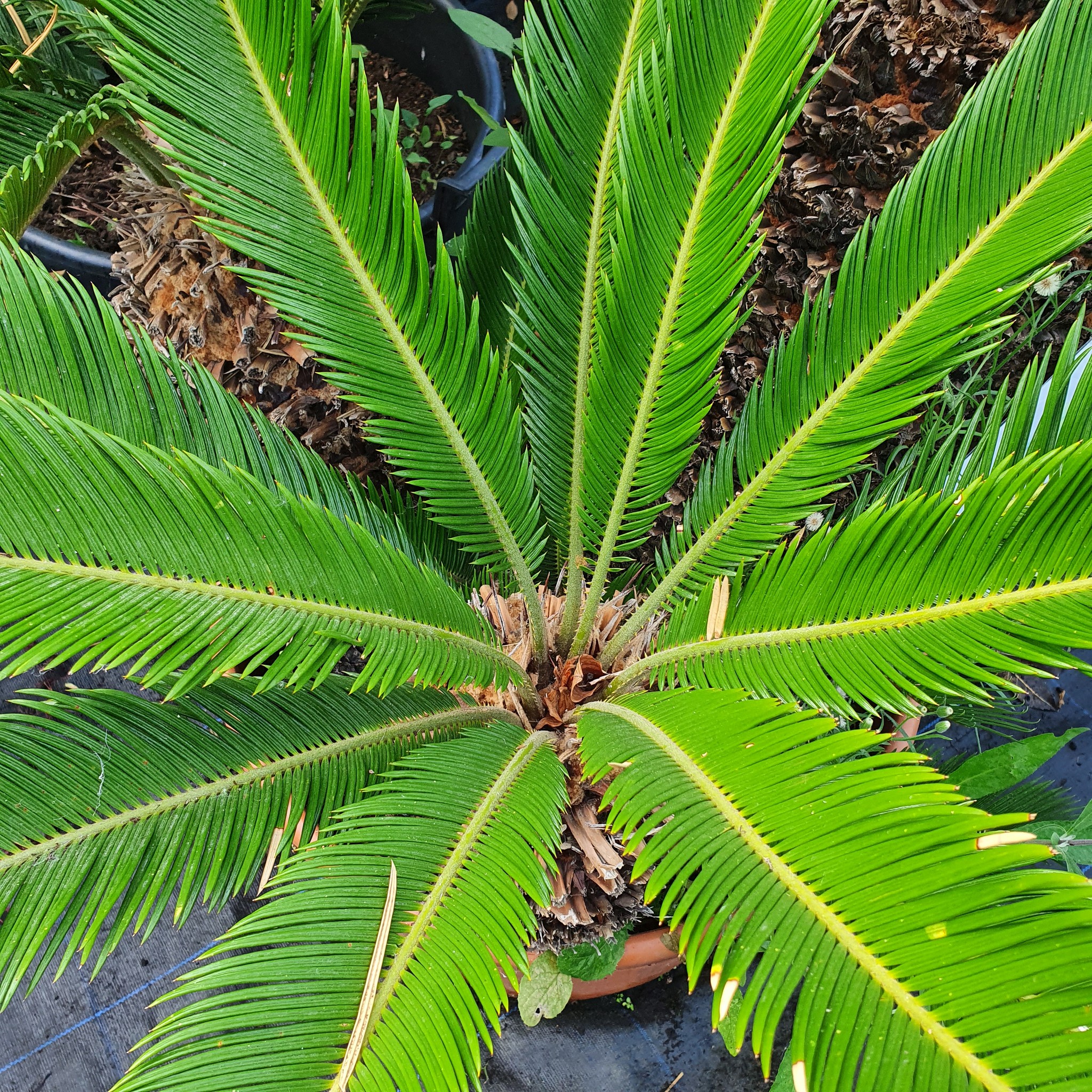
Sago Palm Care. Temperature: Average room temperatures of 65°F (16°C) — 75°F (24°C) are suitable and no lower than 55°F (12.7°C). Sago palms benefit from bright, indirect light. Do not place it in direct sunlight. The soil is best kept moist, so water once the soil begins to dry slightly at the top or surface.
Cycas revoluta (Cycad, Japanese Sago Palm, King Sago Palm, Sago Palm) North Carolina Extension

The Sago Palm is a type of plant that people often grow for decoration. It looks like a palm tree but is not a true palm. Here are some key details about it: Common Name: Sago Palm; Scientific Name: Cycas revoluta; Family: Cycadaceae; Origin/Native Region: Southern Japan; Growth Habit: Slow-growing with a stout trunk and a crown of shiny, dark.
Japanese Sago Palm 6" Pot Cycas revoluta Living Fossil Plant Easy to Grow
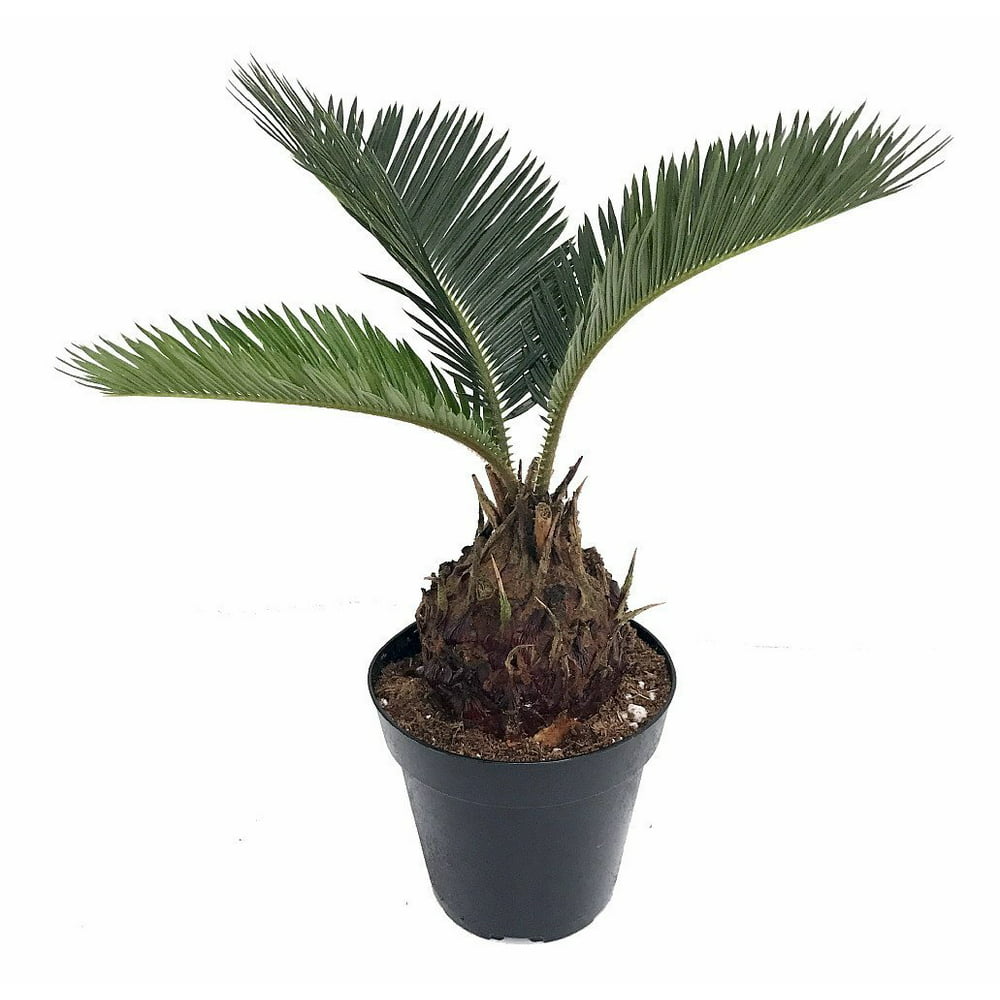
What is Sago Palm? Cycad: Sago Palms (Cycas revoluta) are not actually palms but are instead cycads, which are a type of plant that predates even the dinosaurs.. The plant: Sago Palm is a palm-like evergreen perennial that is native to China and Japan.It forms a very attractive rosette of shiny, arching, pinnate leaves, up to 2-5 ft. long (60-150 cm), atop a rugged upright trunk.
Cycas Revoluta Japanese Sago Palm Stock Image Image of crown, cycad 215956875

Sago palms (Cycas revoluta) are evergreen, slow-growing tropical plants with long arching green palm-like fronds or branches.Sago palms have a thick shaggy or hairy looking trunk. Sago palms are not true palm trees, but rather a type of ornamental cycad. Easy-to-grow sago palms are also called king sago, cycad palm, sago cycad, or Japanese sago palm.
Plants of Japanese Sago Palm CYCAS REVOLUTA The Original Garden
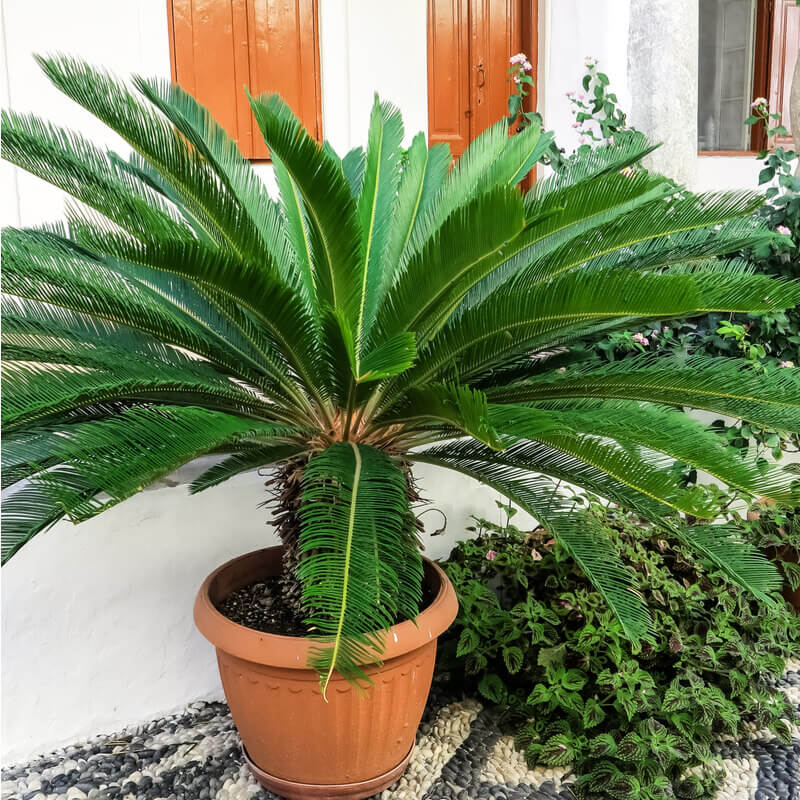
Soil Preparation. Ensure the soil you intend to plant your Sago Palm tree in, is well-draining, and rich in organic matter. This is important to enhance your sago palm tree and start its growing journey the right way. The soil can be slightly acidic to neutral, the ideal pH levels range from 6-7. Planting.
PlantFiles Pictures Cycad, Japanese Sago Palm, King Sago Palm, Sago Cycas, Sago Palm (Cycas

Despite its common name, sago palm (Cycas revoluta) isn't technically a true palm tree though it may have the appearance of other types of palm.Though the sago palm is more related to a conifer, it grows best in warm, humid conditions, requires four to six hours daily of dappled sunlight, acidic soil, and consistent temperatures between 65 and 75 degrees Fahrenheit.
Japanese Sago Palm (Cycas revoluta) in Boston Hopkinton Chelmsford Hingham Middleborough
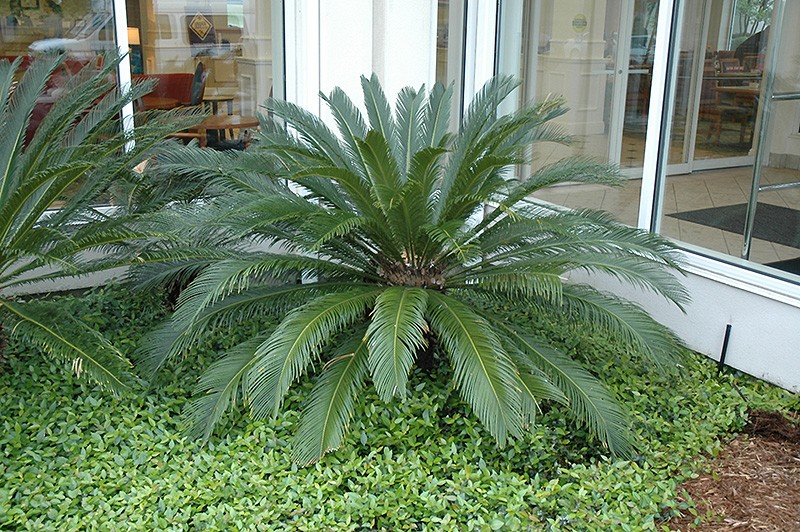
Any climate that gets at least 9 inches of rain a year will sustain a sago. In dry climates, however, sagos need moderate watering. During very warm, dry weather, keep your sago happy by deep-watering it every two weeks or so. Leave the hose on a very low drip and place it at the base of the tree.
Japanese Sago Palm (Cycas revoluta) in Denver Arvada Wheat Ridge Golden Lakewood Colorado CO at
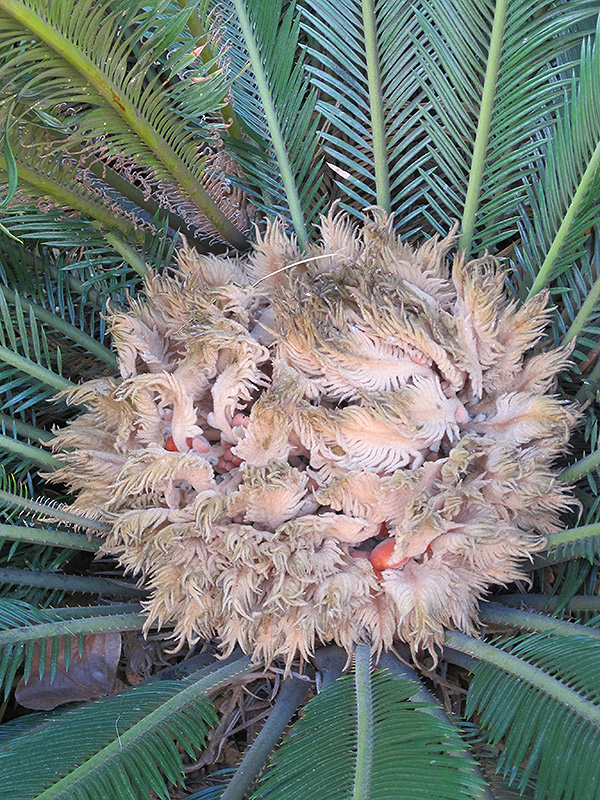
Cycas revoluta is often confused with: Cycas taitungensis. Phoenix roebelenii.. Sago palm is a tropical and sub-tropical showy evergreen member of an ancient plant family known as Cycadaceae, dating back 200 million years ago. The plant is native to the Japanese Island of Kyusha, the Ryukyu Islands, ad southern China. They are found in.
How to Grow the Sago Palm Tree (Cycas revoluta)
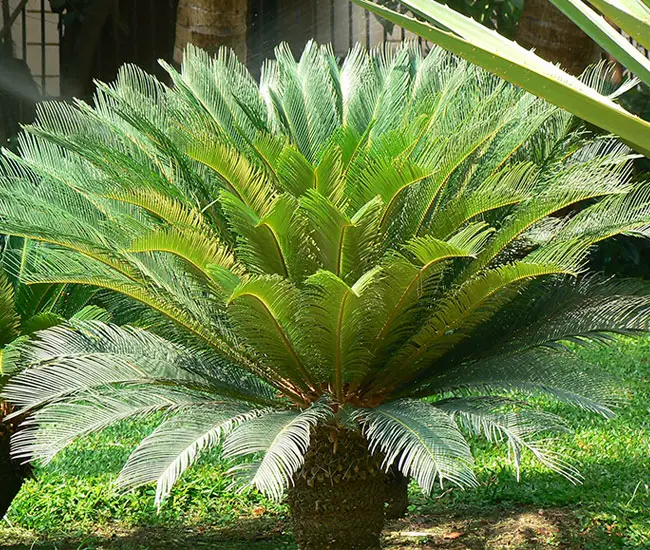
Soil. Sago palm, Cycas revoluta, is not a palm at all but a cycad. However its palm-like, feathery foliage, and cones, make it very similar to a palm or tree fern. Native to the southern regions of the United States, it's commonly grown as a houseplant in temperate climates. It's ideal for growing in a container, which you can move outside.
CYCAS REVOLUTA, Japanese sago palm

Cycas Revoluta or the Sago Palm is a beautiful easy care houseplant with a mischievous twist that easily fools people in three ways. Firstly, despite its common name of " Sago Palm ", it's not actually a palm because it's a Cycad (although the care requirements are similar). Secondly the Sago Palm has a reputation of being a modern indoor.
Cycas Revoluta Sago Cycad / Sago Palm 5 Seeds Seeds for Africa

Sago palm: origin and characteristics. Sago palms (Cycas revoluta) are also called king sago palm trees, cycad palms, or, being native to Japan, Japanese sago palms.These plants are members of an ancient group of plants known as cycads, which can be traced back to the time of the dinosaurs.
Cycas revoluta, King Sago Palm, Cycad PlantVine
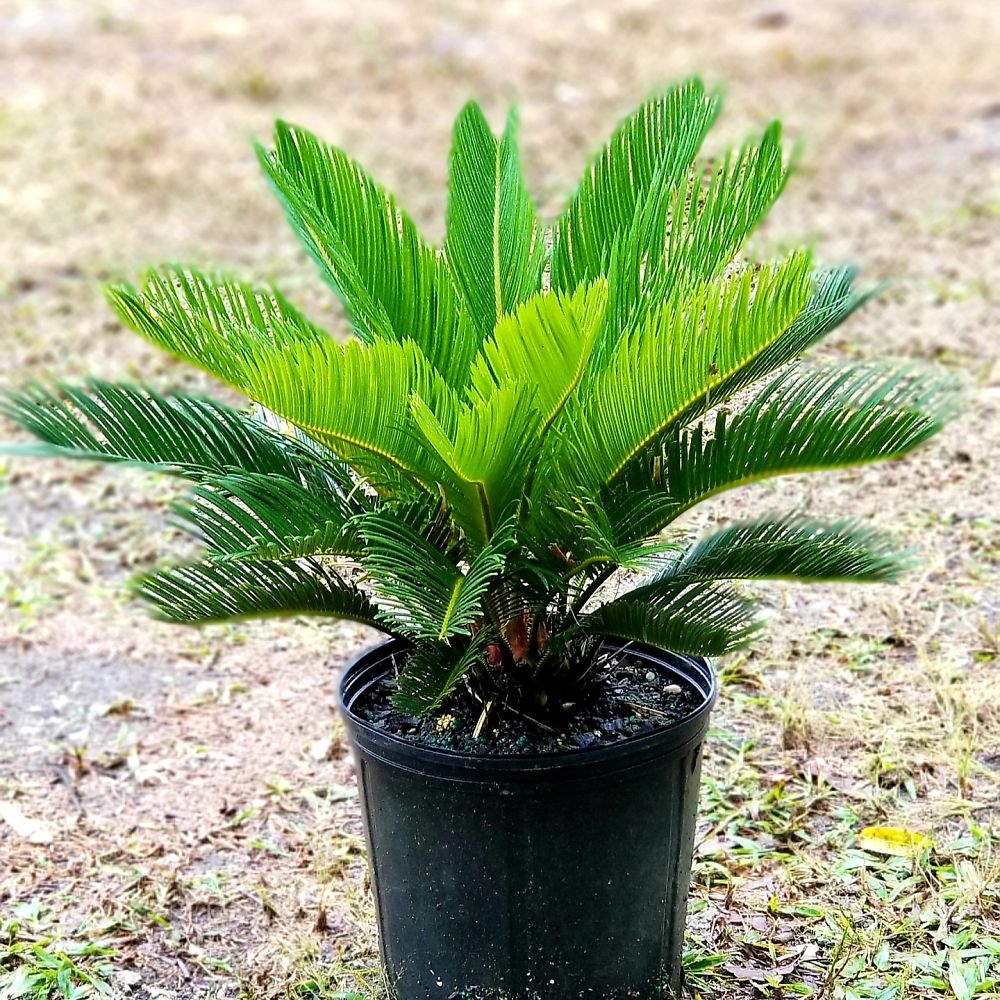
The botanical name of the Sago palm is Cycas revoluta. The sago plant is technically a cycads. A mature Japanese sago plant can grow as high as 10 feet. Mature Sago palms have a moderate amount of drought tolerance. The sago palms are subtropical plants that love the heat. These plants generate seeds, however, they won't flower or produce fruit.
Cycas Revoluta Japanese Sago Palm Garden Market Place

The Japanese cycas (Cycas revoluta), also known as the Japanese sago palm, is native to Japan and South-east Asia. Botanically it belongs to the genus of the sago palm ferns (Cycas) within the Cycadaceae family. , which are also known as living fossils, are among the oldest plants in the world and grow relatively slowly.
HD wallpaper cycads, flower, sago palm, cycas revoluta, king sago, sago cycad Wallpaper Flare
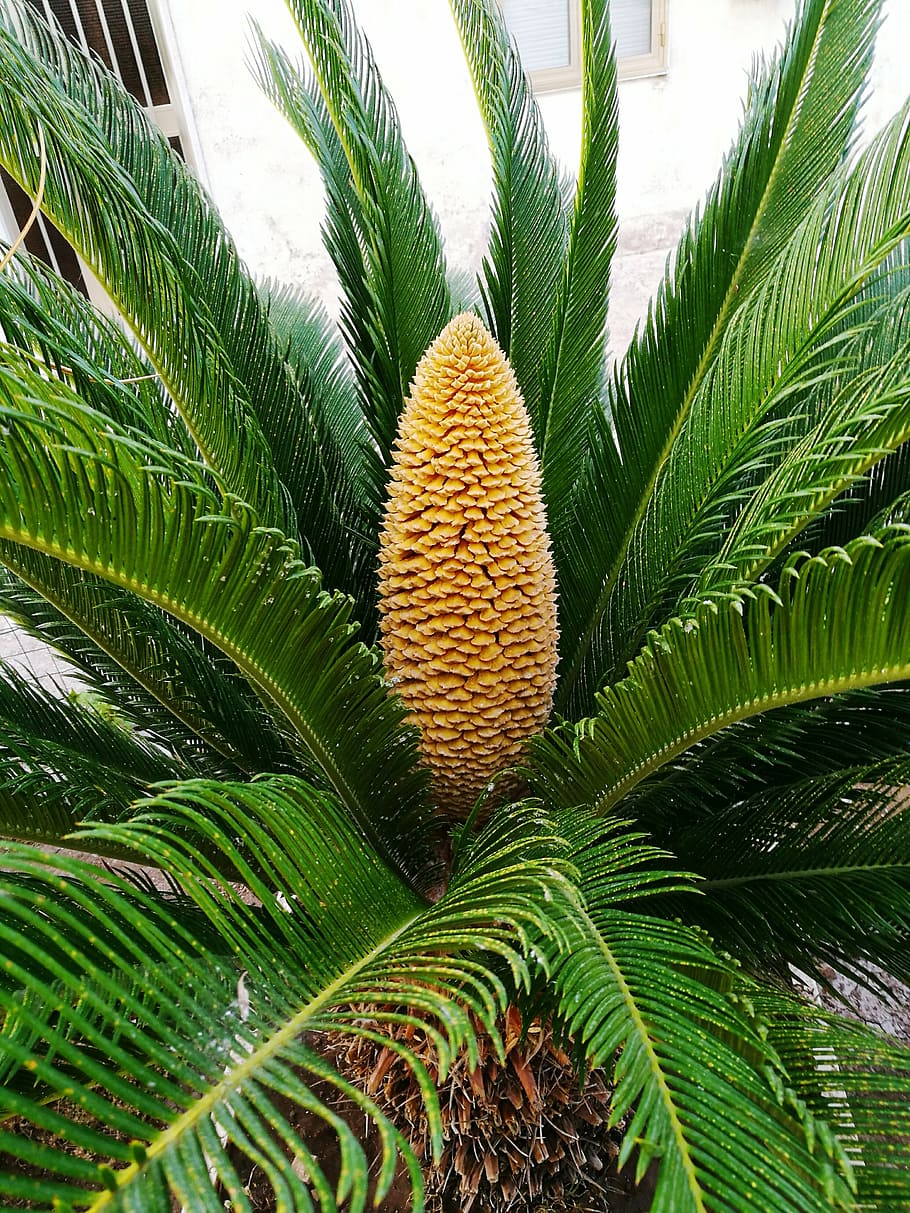
Common Names: Sago Palm, King Sago Palm, Sago Cycad, Japanese Sago Palm Scientific Name: Cycas revoluta Native Habitat: Native to southern Japan. Unique Traits: Features arching, dark green fronds that emerge directly from the soil.Known for ease of care and versatility in shady gardens. Grows close to the ground for most of it's life.
Cycas revoluta Bonsai / Japanese sago palm 5 year old plant Seeds
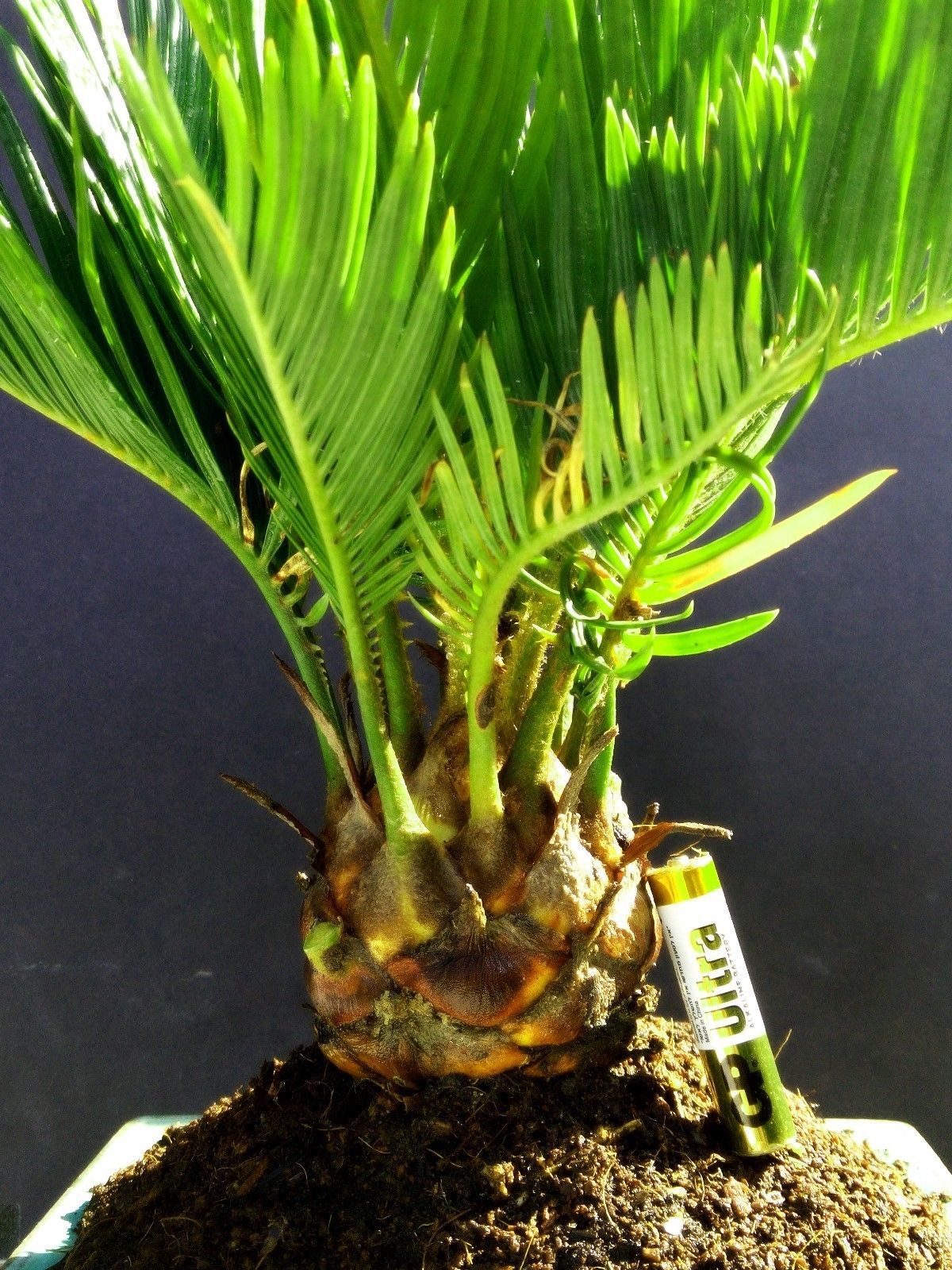
Cycas revoluta + Has common name: Japanese Sago Palm + Has drought tolerance: Intolerant + Has edible part: Seed + and Stem + Has edible use: Unknown use + Has fertility type: Self sterile +, Insects + and Wind + Has flowers of type: Dioecious + Has growth rate: Slow + Has hardiness zone: 9 + Has image: Cyca-revoluta.jpg + Has lifecycle type.