Curb Weight Vs Gross Vehicle Weight Rating Bios Pics
Gross Weight vs Curb Weight In Vehicles What Does GVWR Mean
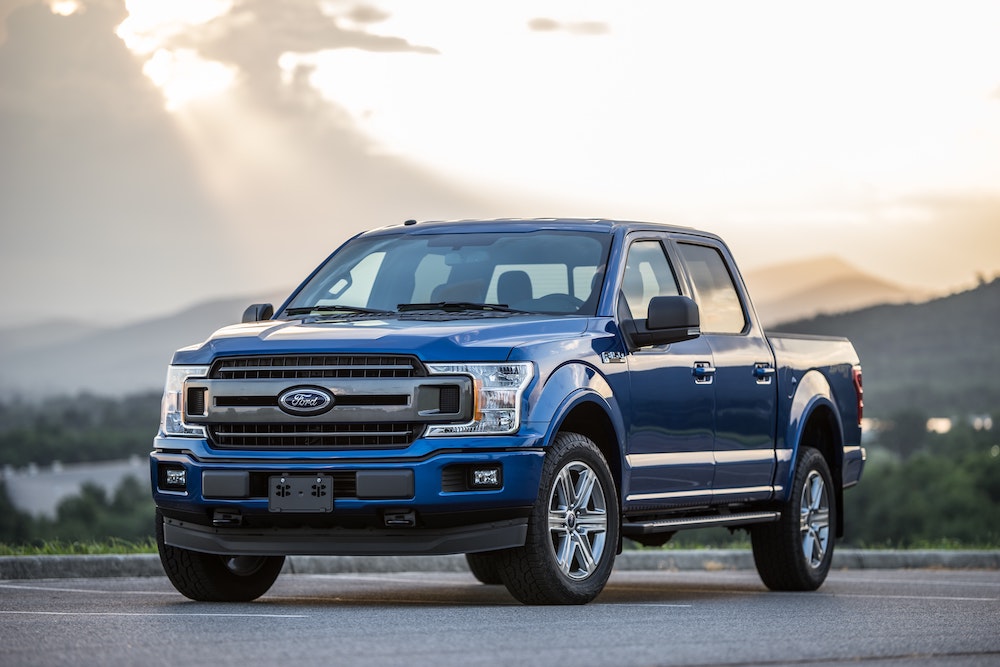
Curb Weight vs. Gross Weight. Curb weight and gross weight both talk about how heavy a vehicle is, but they are different. Curb weight is the steady weight that affects how much fuel a vehicle uses and how well it works. It serves as a base number for us to build off of.
GVM vs. Carrying Capacity NTI Limited

A vehicle's payload rating is the amount of weight the vehicle can haul and is calculated by subtracting the vehicle's actual curb weight from its gross vehicle weight rating. Related Stories:
Curb Weight Vs Gross Blog Dandk
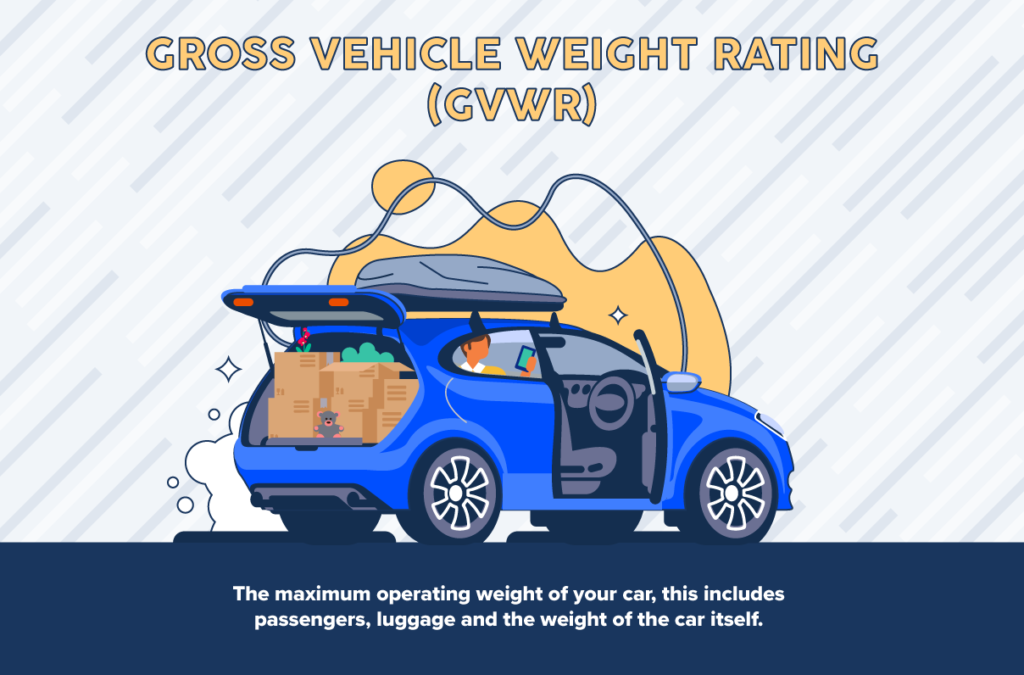
Curb Weight vs Gross Vehicle Weight: The Differences. Simply put, the main difference between the curb weight and the gross weight is the gross vehicle weight is the maximum weight that your vehicle can be fully loaded including cargo, passenger, or any additional equipment. On the other hand, the curb weight is just the weight of the vehicle.
Chart of the Day Vehicle Weight vs Road Damage Levels streets.mn

According to the US federal government, curb weight is defined as "the actual or the manufacturer's estimated weight of the vehicle in operational status with all standard equipment, and weight of fuel at nominal tank capacity, and the weight of optional equipment computed in accordance with § 86.1832-01 ". More expensive trim levels.
What Is A Payload, And How Do You Calculate It? Euro Car Parts
Curb weight vs. gross weight. Curb weight and gross weight are two sides of the same coin - both relate to vehicle weight, yet serve different purposes and carry distinct implications. Curb weight is a constant figure influencing fuel efficiency and overall performance. It provides a foundation upon which the vehicle's capabilities are assessed.
What is Gross Vehicle Weight Rating (GVWR)?

In summary, curb weight and gross weight are two important attributes that help define the weight characteristics of a vehicle. Curb weight represents the weight of a vehicle when it is empty, while gross weight includes the curb weight along with passengers, cargo, and any additional load. Curb weight influences a vehicle's fuel efficiency.
Curb Weight Vs Gross Vehicle Weight Rating My Bios

As mentioned above, the key difference between curb and gross weight is that curb weight represents the foundational weight of the vehicle, while gross weight features all of the load the truck is carrying. This is vital to understand as it will influence all other calculations or decisions made based on the understanding of curb vs gross weight.
Curb Weight Vs Gross Weight Gross Vehicle Weight Rating Explained Impact on Car Performance

Thus, the curb weight is the amount that the vehicle weighs when it's resting on the curb and not in use. This is generally the standard weight that the manufacturer assigns to the car. Gross Vehicle Weight. The gross vehicle weight is the combined weight of the vehicle and all passengers and cargo pieces in "gross," that is to say, in total.
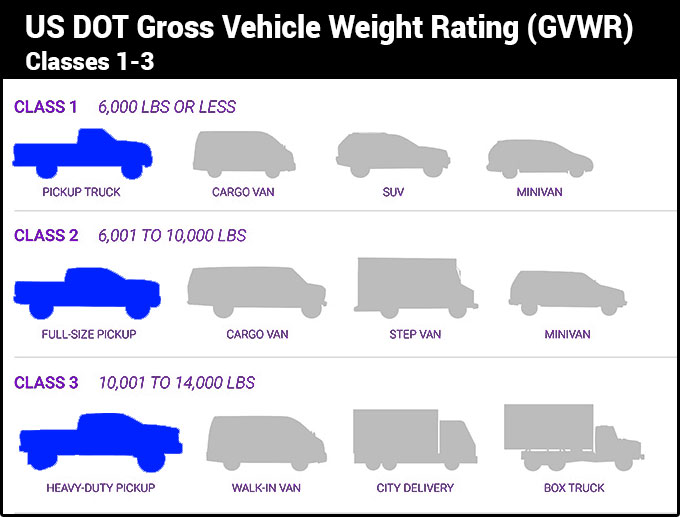
Truck classifications by gross vehicle weight. Download Scientific Diagram

Curb or kerb weight. Curb weight (American English) or kerb weight (British English) is the total mass of a vehicle with standard equipment and all necessary operating consumables such as motor oil, transmission oil, brake fluid, coolant, air conditioning refrigerant, and sometimes a full tank of fuel, while not loaded with either passengers or cargo.. The gross vehicle weight is larger and.
How differences in powertrains and curb weight affect the fuel... Download Scientific Diagram

It describes the maximum weight capacity of the vehicle. Gross vehicle weight rating (GVWR) tells you the maximum prescribed weight a particular vehicle can carry. Americans use GVWR to determine which roads are safe for a vehicle to use. GVWR can also regulate insurance, emissions, and fuel economy standards.
Curb Weight Vs Gross Vehicle Weight Rating Bios Pics
Now, try not to get cross-eyed, as GCVWR stands for "gross combined vehicle weight rating" and is made up of the GVWR of the pickup truck and the GVWR of the truck's accompanying trailer.
Curb Weight vs Gross Weight The Important Difference

The former is the car's weight plus factory installed utilities and consumables like fuel and oil. On the other hand, gross vehicle weight is the car's mass, including its utilities, passengers, and cargo. In other words, it is curb weight plus cargo and passengers, including the drivers. The main difference is the inclusions, where GVW.
Curb Weight Vs Gross Vehicle Weight Rating My Bios
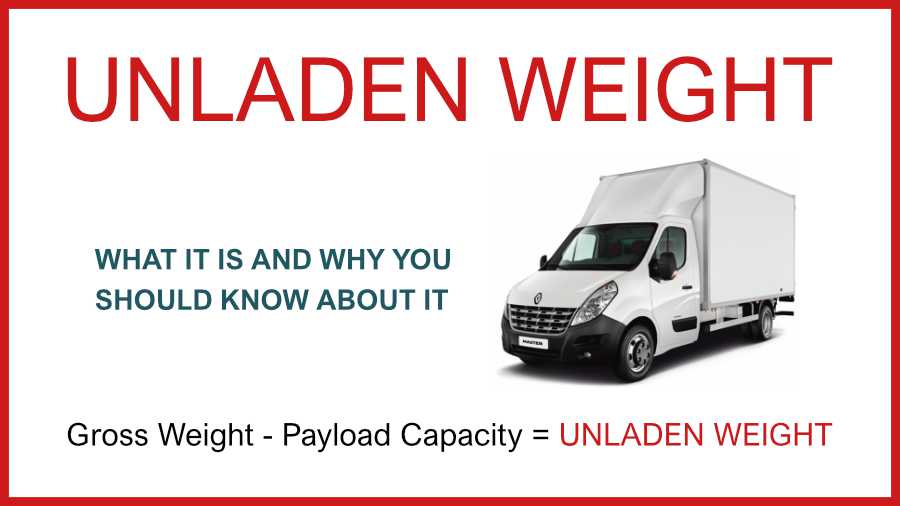
The maximum weight a vehicle can safely carry, including its weight, passengers, cargo, and accessories, is known as the Gross Vehicle Weight Rating (GVWR). The vehicle's structural strength, engine power, suspension, and braking systems are considered by the manufacturer when determining this weight rating. Understanding GVWR is critical for.
Curb Weight Vs Gross Vehicle Weight Bios Pics

The "curb weight" of your car is the weight of the vehicle without any passenger or items in it except for the standard equipment that comes with it. This is the weight of your vehicle when it's not being used and resting on a flat surface. This is what the manufacturer assigns to the vehicle and is normally the "standard weight.".
What is a gross vehicle weight rating (GVWR)? Samsara
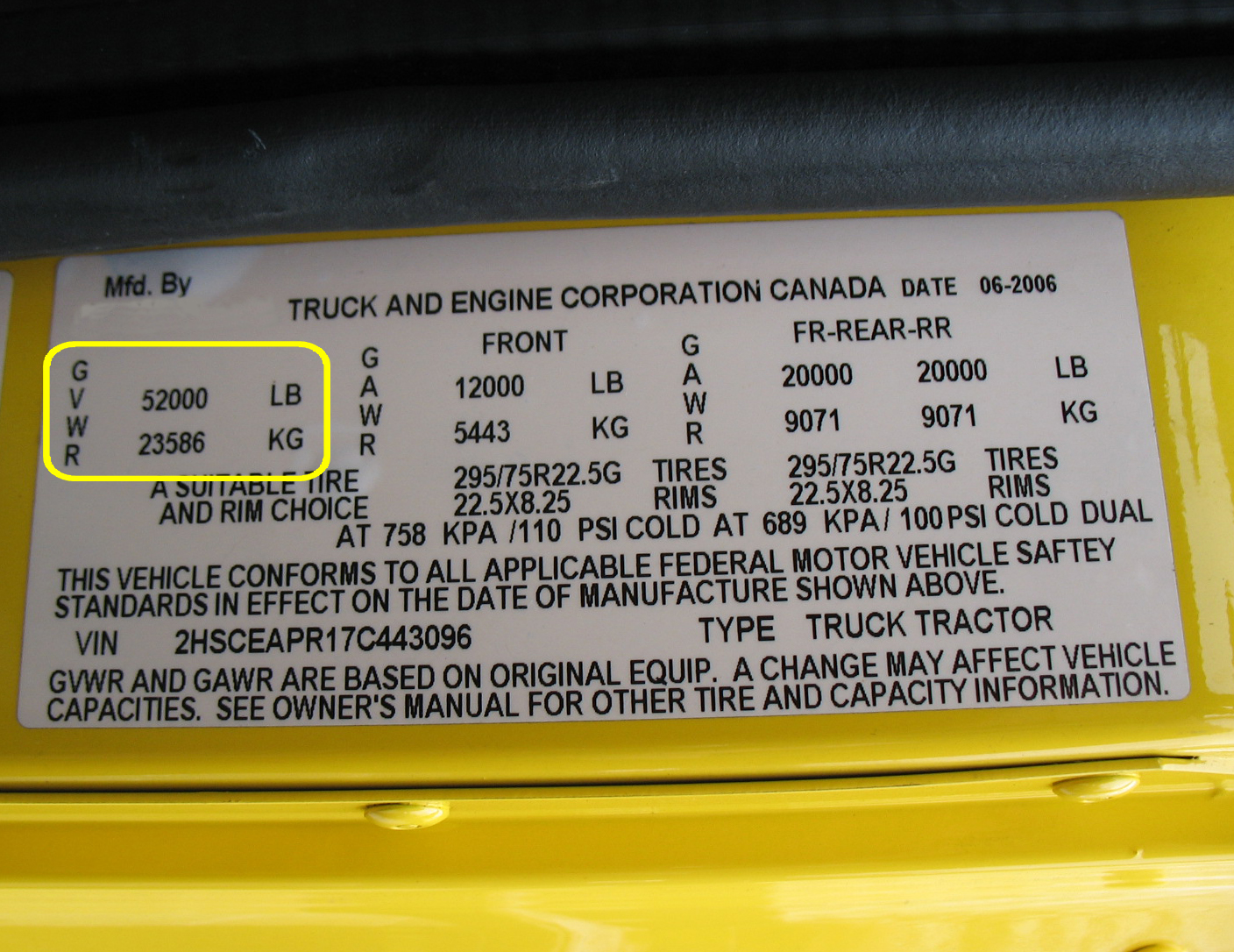
Start with the Gross Vehicle Weight Rating (GVWR), your vehicle's maximum payload capacity. You can find this in the owner's manual, the driver's side door sticker, or the manufacturer's website. Take the payload capacity and subtract it from the GVWR, giving you the curb weight. Tongue Weight vs. Curb Weight
Curb Weight vs Gross Vehicle Weight

Five Examples of Curb Weight vs. Gross Vehicle Weight Rating (GVWR) To further show you precisely what I mean, I have included five different vehicles (of which all are over 6,000 pounds GVWR) so that you can see how different the two weight ratings are. Curb Weight will always be considerably lower than the Gross Vehicle Weight Rating (GVWR).